When the Brain Gets It Wrong: Anxiety, Trauma, and Perception
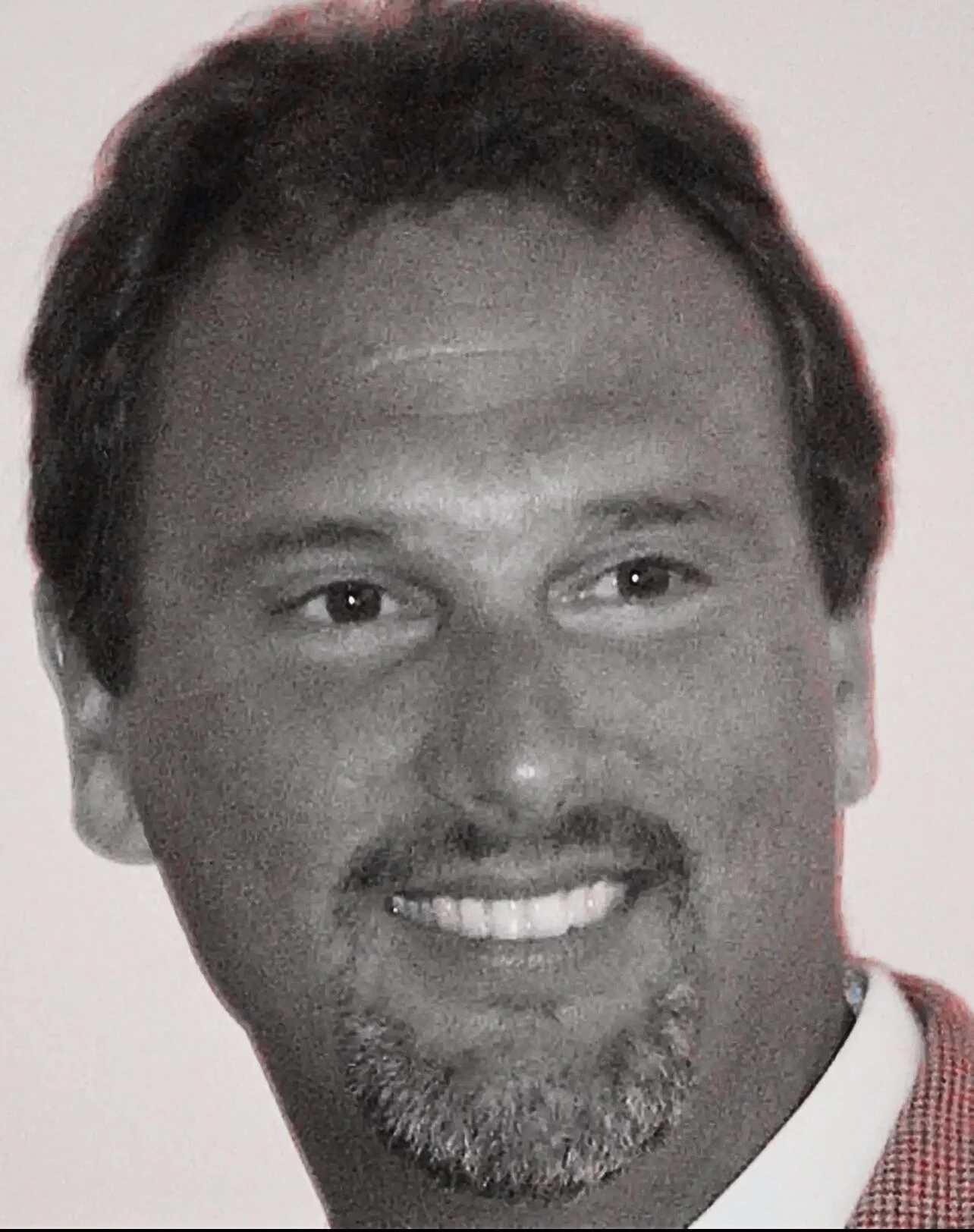
Authored By: Michael Green
When Your Brain Fills in the Gaps
The last time I wrote, I talked about what happens when the brain gets it wrong.
And it does that more often than we realize.
We don’t always see it, because it’s our brain. It’s using our past experiences to interpret what’s happening now, so whatever it comes up with can feel accurate, even when it isn’t.
A text doesn’t come back:
Someone feels distant.
Your boss wants to see you next week.
The brain starts filling in the gaps: Did I do something wrong?
Am I in trouble?
Is something about to fall apart?
In those moments, the brain is trying to make sense of incomplete information. It pulls from past experiences, times where things did go wrong, and builds a story. That’s the brain getting it wrong. Not because it’s broken, but because it doesn’t have enough information. So it fills in the blanks with what it already knows, often fear, shame, or past hurt.
Trauma Is Different
When it comes to trauma, something slightly different is happening. It’s not always accurate to say the brain is getting it wrong.
In many cases, the brain is actually getting something right.
It’s right that something bad could happen. The problem is what it does with that information.
What Trauma Looks Like in Real Life
I’ve seen this clearly in my wife’s experience with complex PTSD.
We can be driving down the road together and see the same situation.
A truck with a load of pipes in the back. It’s strapped down, but it’s large enough that you notice it.
She sees the pipes and immediately focuses on the possibility that they could come loose and come through the windshield.
Her body tightens. Fear shows up quickly.
And she’s not wrong.
There is a chance that something like that could happen.
Same Situation, Different Experience
At the same time, I’m seeing the same thing. I’m aware that there’s a small possibility something could go wrong. That’s true.
But I’m also taking in everything else:
• the cars in front of me
• the car next to me
• my speed
• my mirrors
• where I’m going next
My awareness is spread out across the whole environment.
Her awareness narrows. The focus zooms in on one detail, the most dangerous possible outcome, and everything else fades into the background.
The Difference Isn’t Right vs. Wrong
This is where the distinction matters.
With trauma, the issue isn’t that the brain is wrong. It’s that the brain is over-focused on one piece of information and treating it like it’s the whole picture.
It takes a real possibility and elevates it:
• from possible
• to probable
• to something that feels like it’s about to happen right now
The body responds accordingly. Heart rate increases. Muscles tighten. Attention locks in.
The experience becomes fear.

How Trauma Shapes Perception
Trauma shapes how we take in information.
It trains the brain to scan for threat, to notice subtle cues, and to react quickly.
That’s not a flaw. That’s adaptation.
The brain is trying to protect.
It’s saying:
“Pay attention. Don’t miss this. Don’t let this happen again.”
But in doing that, it narrows the lens.
And when the lens narrows too much, it stops taking in the full picture.
The Cost of a Narrow Lens
When the brain becomes hyper-focused on a single detail, especially one tied to past experience, it’s no longer working with complete information.
And when we don’t have complete information, our experience of the moment shifts.
It becomes:
• more intense
• more urgent
• more threatening
Even if the situation itself hasn’t changed, it’s not that the danger is real in that moment.
It’s that the brain is prioritizing the possibility of danger over everything else.
The Pause
This is where something small, but powerful, can happen.
A pause…
In those moments, I’ve learned to stop and come back to what is actually true right now.
Right now, everything is OK.
Not because nothing bad could ever happen.
But because, in this moment, there is no immediate evidence that something is happening.
That pause creates space.
Zooming Back Out
When I pause, I can widen the lens again.
I can take in more information:
• what’s actually happening
• what isn’t happening
• what’s possible, but not probable
The feared outcome doesn’t disappear.
But it becomes one piece of information instead of the only piece.
And that changes the experience.
Accurate, Not Perfect
The goal isn’t to eliminate fear.
The goal is to make the experience of the moment more accurate.
To move from:
• A narrow, threat-focused view
to:
• A fuller, more balanced understanding of what’s actually happening
Right Now
If the brain locks onto a single detail, especially one tied to past experience, it will move quickly into fear.
But when we pause and allow more information in, something becomes clear:
Right now, I’m OK.
And that simple shift, from a narrow focus to a broader awareness, can completely change how the moment is experienced.
A Closing Reflection
If this resonates, you’re not alone. Anxiety and trauma are not signs that something is broken. They are signs that your mind has learned to protect you, sometimes too well.
The ReFrame is an ongoing reflection series by Michael Green, CAC-AD, exploring anxiety, trauma, addiction recovery, and the patterns that shape how we experience the world. These reflections are meant to slow things down and offer a different way of seeing what’s happening in real time.
Michael’s work at Recovery Collective supports individuals navigating anxiety, trauma, and addiction recovery, helping them and family members move from automatic reactions to more grounded, intentional responses.
If this piece spoke to you, you’re welcome to explore more reflections or connect with Michael through Recovery Collective.